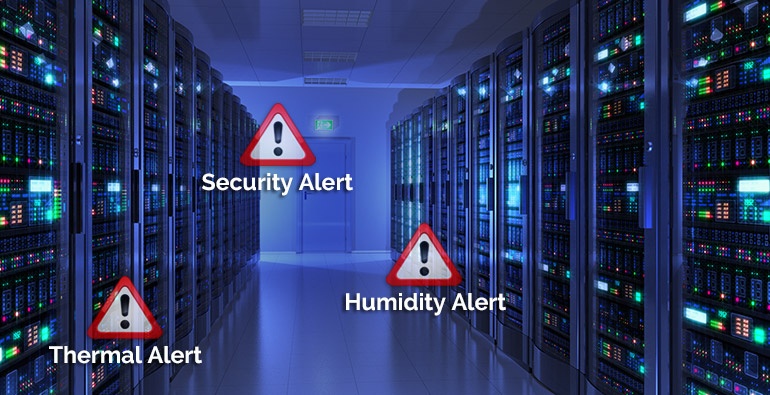
Data center monitoring is essential for protecting servers, networking equipment, and other critical IT infrastructure from environmental and equipment-related threats. While organizations invest heavily in cybersecurity and redundancy, unexpected issues such as HVAC failures, power outages, water leaks, excessive humidity, or unauthorized access can cause just as much downtime and damage.
A comprehensive data center monitoring systems continuously tracks environmental conditions and equipment status, sending immediate alerts when problems arise so personnel can respond before minor issues become costly outages. Whether you manage a small server room or multiple enterprise data centers, continuous monitoring helps improve uptime, reduce risk, and protect valuable IT assets.
Why Data Center Monitoring is
Modern businesses depend on their data centers to support critical applications, communications, cloud services, financial systems, and daily operations. Even a brief interruption can affect productivity, customer service, and revenue. Continuous monitoring helps organizations:
- Prevent unexpected downtime
- Protect servers and networking equipment
- Reduce equipment failures
- Improve energy efficiency
- Minimize maintenance costs
- Support regulatory and internal compliance
- Provide 24/7 visibility into remote facilities
Rather than discovering problems after equipment fails, monitoring systems detect changing conditions early enough to allow corrective action.
What Can Threaten a Data Center?
Environmental conditions can change quickly, especially after business hours when facilities may be unattended. Cooling equipment can fail, utility power can be interrupted, condensate lines can leak and unauthorized personnel may enter restricted areas.
A comprehensive monitoring system watches for these conditions continuously, including:
-
Temperature and humidity fluctuations
-
HVAC failures
-
Power outages and UPS issues
-
Water leaks
-
Smoke or fire
-
Door access
-
Network and equipment failures
Because alerts are delivered immediately, IT personnel can often correct the problem before critical equipment is affected.
What Should a Data Center Monitoring System Monitor?
Effective data center monitoring extends well beyond measuring room temperature. The best systems provide visibility into both the facility and the IT infrastructure it supports.
Environmental sensors monitor conditions such as temperature, humidity, airflow, smoke and water leaks. At the same time, the system should monitor power quality, UPS systems, generators and HVAC equipment to ensure the building infrastructure is operating properly.
Many organizations also monitor servers, switches, routers and other network devices through SNMP or Modbus integrations, providing a single view of both environmental conditions and critical IT assets.
Features to Look for When Choosing a Data Center Monitoring System
Not all monitoring systems provide the same level of protection. As your data center grows, the monitoring solution should grow with it.
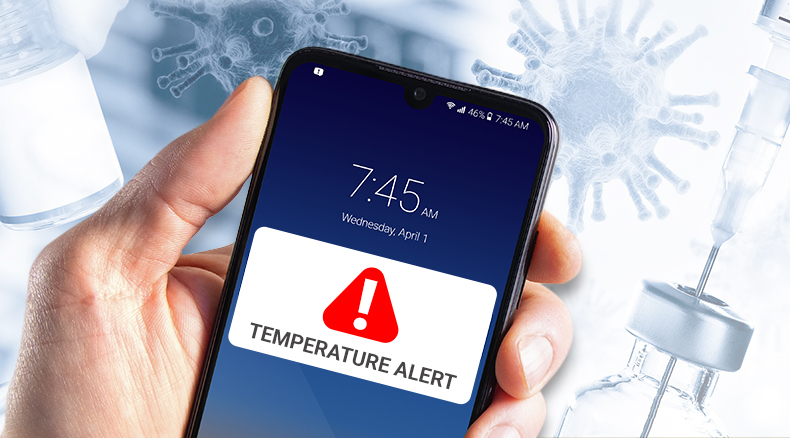
Look for a system that provides real-time alerts by text, email and phone, along with secure remote access through a web browser or mobile device. Historical data logging is equally important because trend reports can reveal recurring HVAC issues, temperature fluctuations or power problems before they become failures.
Scalability should also be a major consideration. Whether you're monitoring one server closet today or multiple facilities tomorrow, the system should easily accommodate additional sensors and devices.
Finally, consider integration capabilities. Support for technologies such as SNMP, Modbus, PLCs and Building Management Systems (BMS) allows environmental monitoring to become part of a broader facilities management strategy.
The Benefits of Remote Data Center Monitoring
Remote monitoring gives IT teams complete visibility into their facilities without requiring someone to be on site around the clock.
Instead of waiting until employees arrive in the morning to discover an HVAC failure or power outage, administrators receive immediate notifications wherever they are. They can quickly determine whether an issue requires emergency intervention or can be addressed during normal maintenance.
For organizations managing multiple locations, centralized monitoring also simplifies operations by allowing staff to oversee every facility from a single interface.
How to Choose the Right Solution
Selecting the right monitoring system begins with understanding what you need to protect.
Consider the size of your facility, the number of sensors you'll require and whether you expect your infrastructure to expand. Think about how alerts will be delivered, who needs to receive them and whether remote access is essential for your team.
If your facility already uses SNMP-enabled equipment, Modbus devices or a Building Management System, selecting a monitoring platform that integrates with those technologies can simplify operations and eliminate the need for multiple disconnected monitoring tools.
The best monitoring system isn't simply the one with the most features—it's the one that fits your current environment while providing room to grow.
Best Practices for Data Center Monitoring
Technology alone isn't enough to prevent downtime. Sensors should be installed throughout the facility rather than concentrated near cooling equipment so they accurately reflect conditions across the entire room.
Alert thresholds should be reviewed periodically as equipment or workloads change, and notification systems should be tested regularly to ensure alarms reach the appropriate personnel. Historical trend reports should also be reviewed to identify recurring issues that may indicate failing HVAC equipment, declining UPS performance or other maintenance concerns.
Combining continuous monitoring with preventive maintenance creates a much more resilient data center.
Data center monitoring is crucial to running an efficient operation. The right system will provide immediate and detailed insight to prevent costly downtime. For more information, contact us today.
Frequently Asked Questions about Data Center Monitoring
What is data center monitoring?
Data center monitoring is the continuous monitoring of environmental conditions, power systems and IT infrastructure to detect problems before they cause downtime or equipment damage.
Why is data center monitoring important?
Monitoring helps organizations identify overheating, humidity changes, power failures, water leaks and other environmental threats early enough to prevent costly outages and hardware failures.
What should a data center monitoring system monitor?
A comprehensive system should monitor temperature, humidity, water leaks, HVAC systems, power quality, UPS equipment, generators, door access and network devices.
How do monitoring systems send alerts?
Most systems deliver notifications by text message, email, voice call or mobile app whenever monitored conditions exceed user-defined thresholds.
Can data center monitoring reduce downtime?
Yes. Continuous monitoring allows IT teams to respond to developing problems before they result in equipment failures or service interruptions.
How do I choose the right data center monitoring system?
Look for a solution that provides comprehensive sensor support, reliable alerting, remote access, historical reporting, scalability and integration with your existing IT and facility infrastructure.