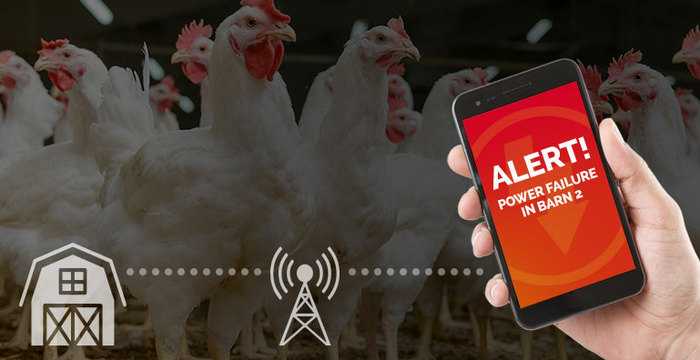
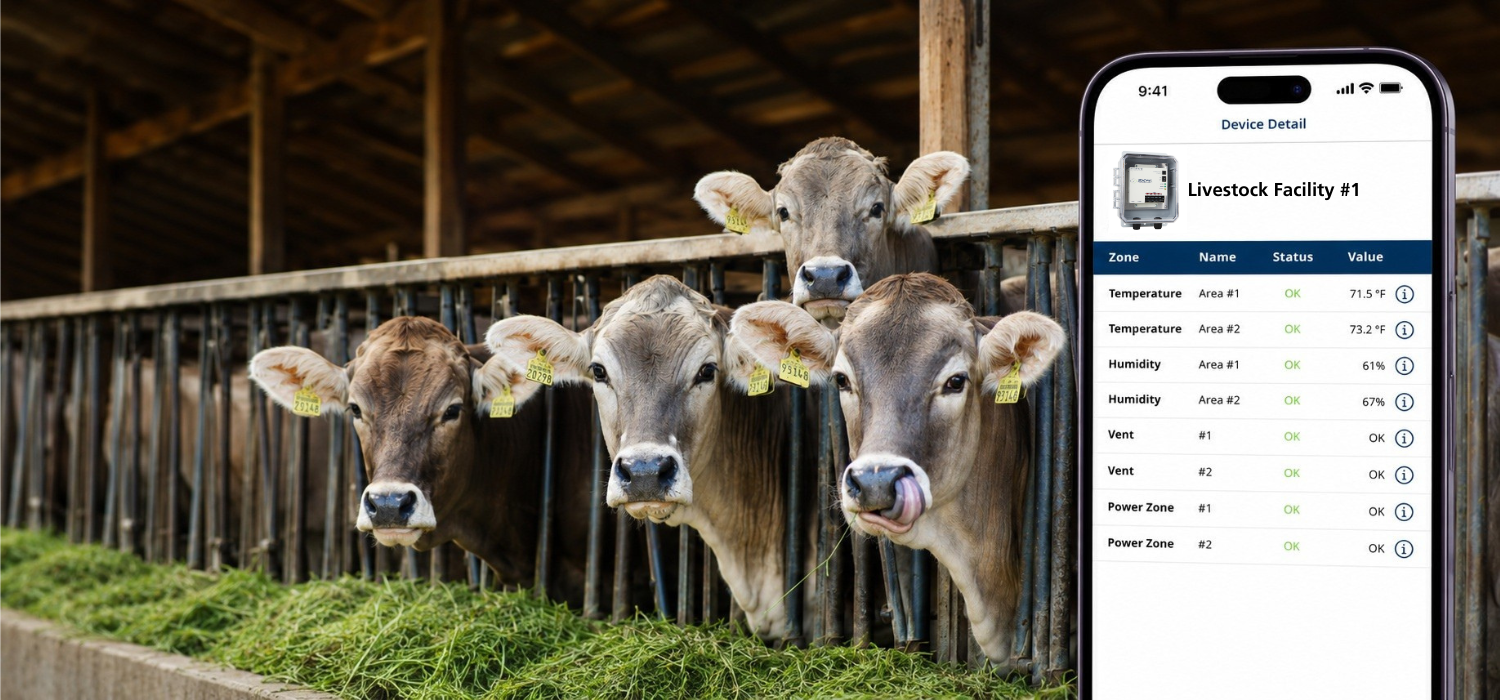
 Barn conditions can change quickly, especially when weather shifts, ventilation loads increase or a power issue hits after hours. Sensaphone’s livestock farm monitoring solutions are built for barn facilities to help you stay ahead of those risks with reliable connectivity options and clear, timely alerts.
Barn conditions can change quickly, especially when weather shifts, ventilation loads increase or a power issue hits after hours. Sensaphone’s livestock farm monitoring solutions are built for barn facilities to help you stay ahead of those risks with reliable connectivity options and clear, timely alerts.
Barn conditions can change quickly, especially when weather shifts, ventilation loads increase or a power issue hits after hours. Sensaphone’s livestock farm monitoring solutions are built for barn facilities to help you stay ahead of those risks with reliable connectivity options and clear, timely alerts.
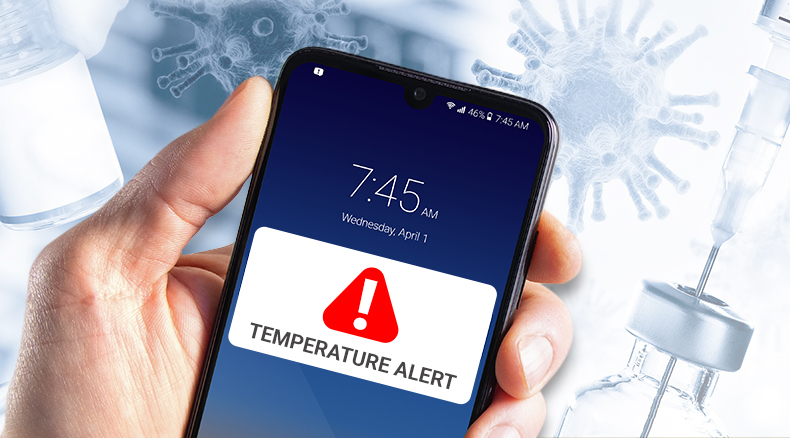
Vaccines and pharmaceuticals are some of the world's the most temperature-sensitive products. If they are exposed to temperatures outside their approved storage range for too long, they can lose potency, become ineffective, or even pose risks to patient health. For healthcare providers, pharmacies, hospitals, laboratories, and pharmaceutical distributors, maintaining proper storage conditions is essential.That is why cold chain temperature monitoring plays a critical role in protecting medical inventory and ensuring regulatory compliance. By continuously monitoring storage conditions and providing immediate alerts..
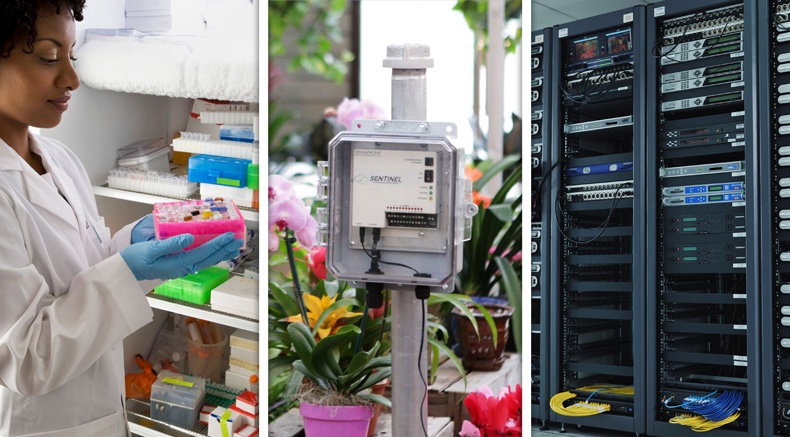
For some businesses, temperature monitoring is more of a convenience than a necessity. If heating or air conditioning fails, the main issue might just be uncomfortable employees or a temporary dip in productivity. In these situations, a temperature monitoring system may not always be necessary.But for companies that handle sensitive inventory, critical processes or regulated operations, temperature control isn’t optional.
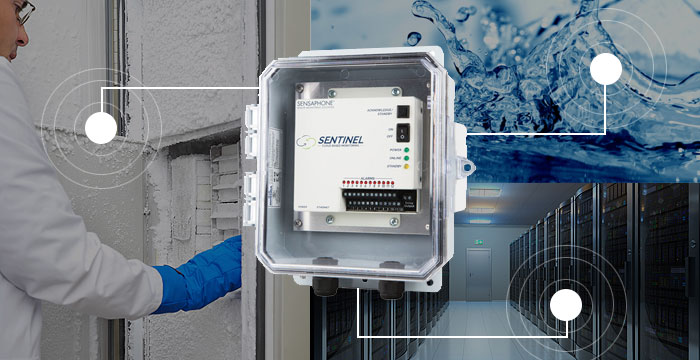
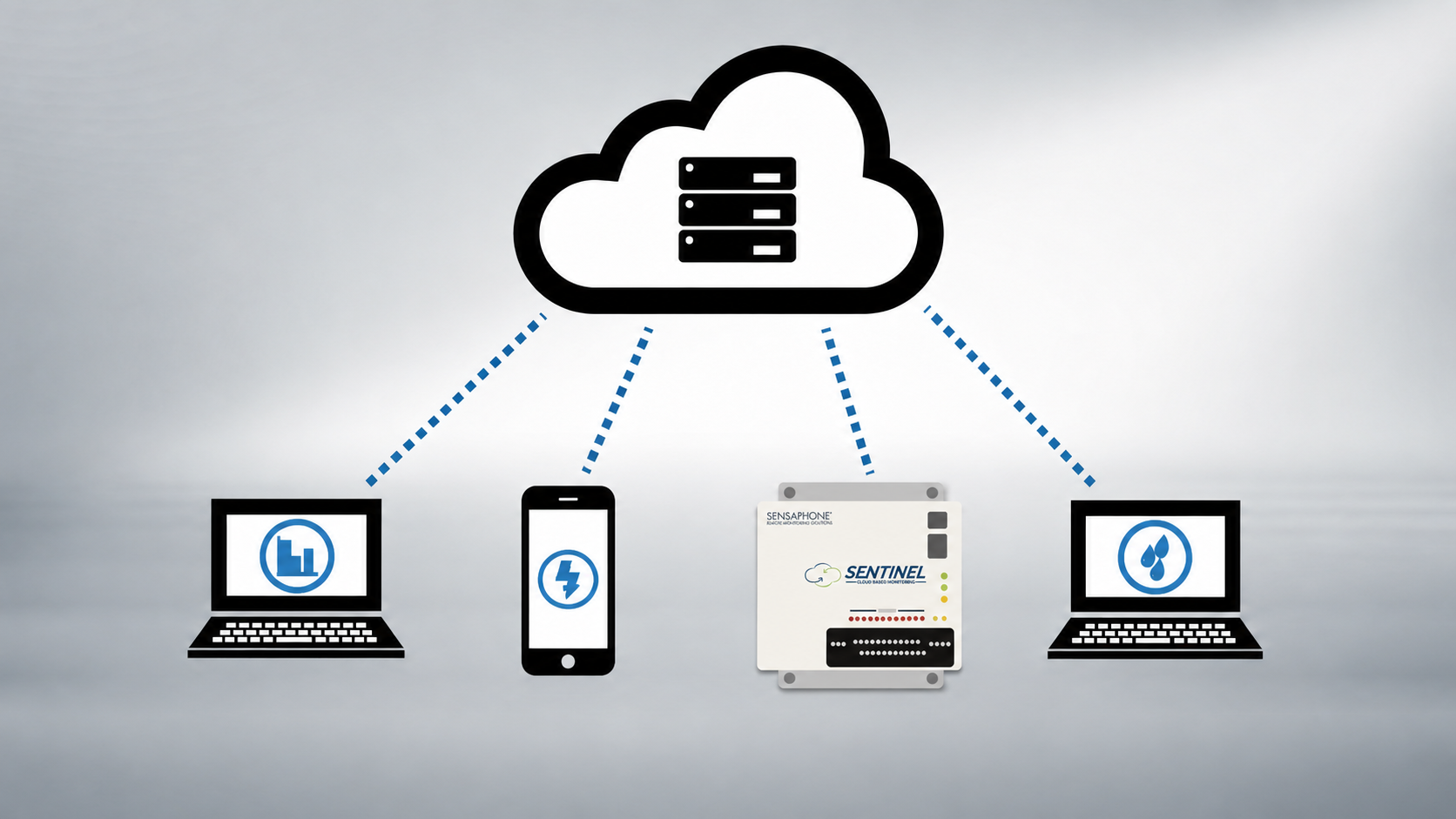
Environmental monitoring systems provide an affordable and reliable way to track critical conditions such as temperature, humidity and flow levels that are important to maintain smooth operations across many industries. These monitoring systems provide real-time alerts when readings fall outside of pre-set parameters, allowing personnel to quickly address issues before they become costly problems. At the center of every effective monitoring system are the environmental monitoring sensors that collect and transmit the data needed to make informed decisions.
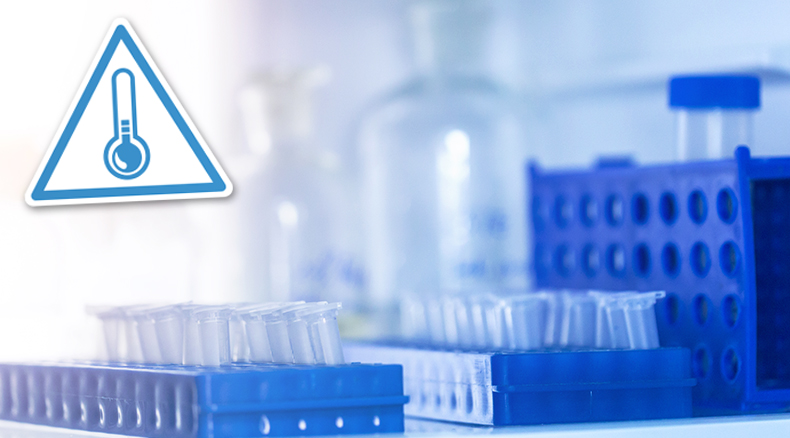
Medical tissue samples, critical vaccines, pharmaceuticals and other temperature-sensitive inventory can be compromised if storage conditions are not precisely controlled. For vaccines, even brief exposure to improper temperature can reduce potency, an effect that can’t be reversed. Because these assets often spend significant time in storage before use, cold chain temperature monitoring throughout their entire lifecycle is essential to prevent degradation and ensure safety.
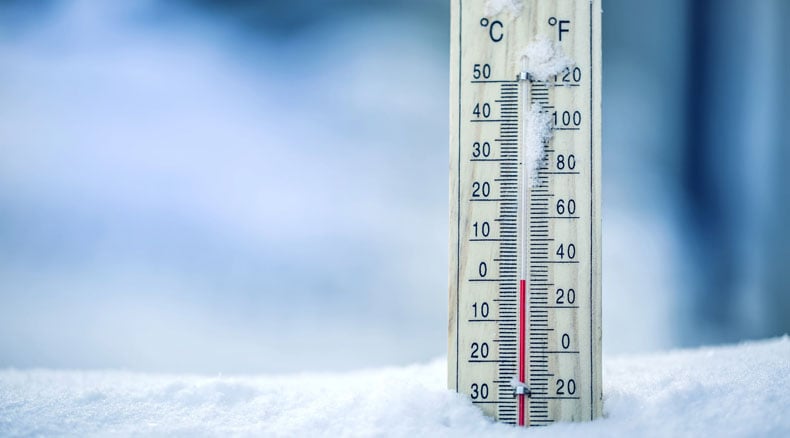
During winter months, it’s important to make sure your home or vacation home is protected against falling temperatures. Temperatures can drop rapidly if the power fails or the heater stops working, causing the pipes to freeze and burst.
Remote temperature monitoring can help you maintain an optimal temperature to prevent frozen pipes from bursting, resulting in thousands of dollars in damage.
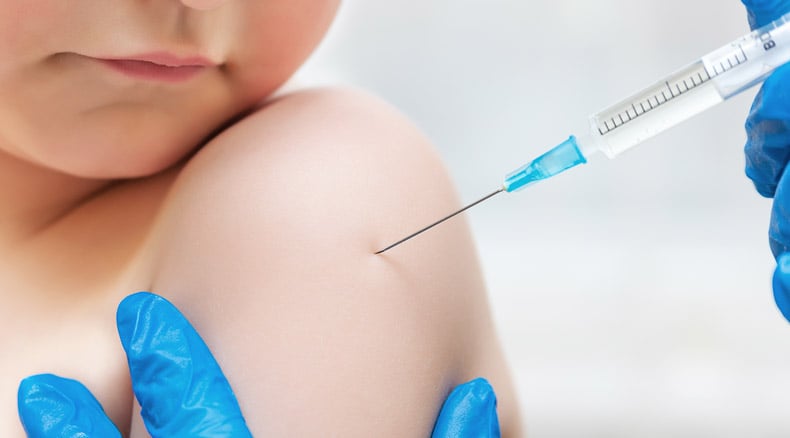
The Vaccines for Children (VFC) Program provides vaccines at no cost to children whose families may be unable to afford them. Since its implementation in 1994, the program has prevented over 508 million illnesses and saved over 1.1 million lives, according to the Centers for Disease Control and Prevention (CDC). Program participants must rely on vaccine data loggers to maintain quality and safety in vaccine distribution.
The CDC recently issued more stringent requirements for storing vaccines in medical-grade refrigerators or freezers. VFC compliance now requires all refrigerators to be equipped with vaccine data..