Blog

Page:
1

Cold Chain Temperature Monitoring: How to Protect Vaccines, etc. from Temperature Fluctuations

featured image

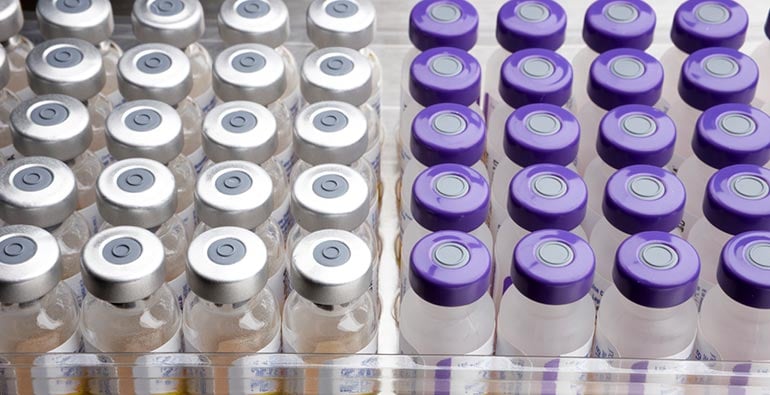
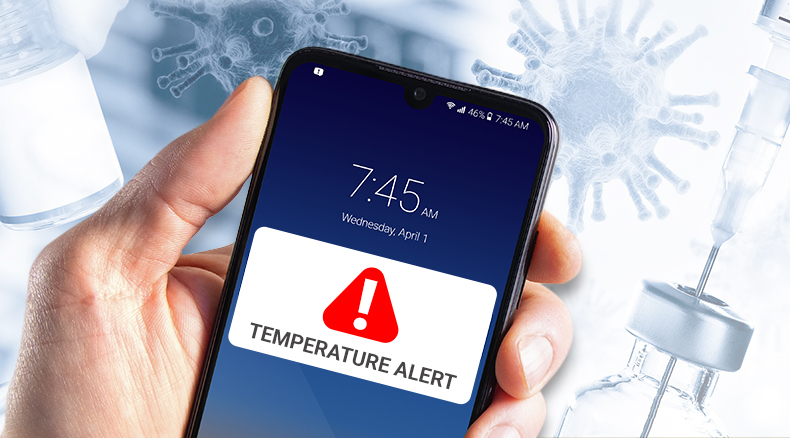
Vaccines and pharmaceuticals are some of the world's the most temperature-sensitive products. If they are exposed to temperatures outside their approved storage range for too long, they can lose potency, become ineffective, or even pose risks to patient health. For healthcare providers, pharmacies, hospitals, laboratories, and pharmaceutical distributors, maintaining proper storage conditions is essential.That is why cold chain temperature monitoring plays a critical role in protecting medical inventory and ensuring regulatory compliance. By continuously monitoring storage conditions and providing immediate alerts..
The Importance of Cold Chain Temperature Monitoring for Medical Assets

featured image

Medical tissue samples, critical vaccines, pharmaceuticals and other temperature-sensitive inventory can be compromised if storage conditions are not precisely controlled.  For vaccines, even brief exposure to improper temperature can reduce potency, an effect that can’t be reversed. Because these assets often spend significant time in storage before use, cold chain temperature monitoring throughout their entire lifecycle is essential to prevent degradation and ensure safety.  

Vaccine Data Logger Addresses VFC Compliance

featured image

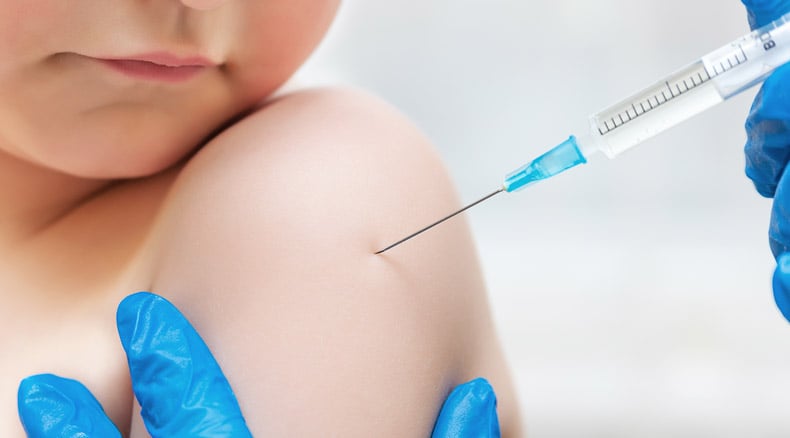
The Vaccines for Children (VFC) Program provides vaccines at no cost to children whose families may be unable to afford them. Since its implementation in 1994, the program has prevented over 508 million illnesses and saved over 1.1 million lives, according to the Centers for Disease Control and Prevention (CDC). Program participants must rely on vaccine data loggers to maintain quality and safety in vaccine distribution.

The CDC recently issued more stringent requirements for storing vaccines in medical-grade refrigerators or freezers. VFC compliance now requires all refrigerators to be equipped with vaccine data..

NIST Temperature Sensors for Medical Refrigerator Ensure Product Integrity

featured image

Temperature monitoring is essential in the medical industry, which stores valuable vaccinespharmaceuticals, and research samplescosting hundreds to thousands of dollars in refrigerators or freezers. Products maintained at inappropriate temperatures can deteriorate their potency, potentially causing serious issues such as rendering medications ineffective. NIST temperature sensors connected to remote monitoring systems provide the capability to track temperature changes in refrigerators and freezers to ensure product integrity.

Remote Monitoring Systems Help Maintain Critical Operations During Pandemic

featured image

The COVID-19 pandemic has challenged businesses and government facilities in unique ways. Many have to operate under conditions where employees are working off premises. Others have had to limit their on-site staff in order to follow social distancing requirements. Many commercial buildings sit empty, while essential businesses like utility plants must remain operational. It has become more important than ever to monitor these workplaces around the clock to mitigate threats to facilities, equipment and inventory.

The Importance of Remote Monitoring for Pharmaceutical Research & Development

featured image

Proper storage of pharmaceuticals from research and development through dispensing is crucial to ensure that the products remain safe and effective. Temperature and humidity can have drastic effects on drugs and their ingredients. If stored at the wrong temperatures for even a short period of time, they can become ineffective, lose potency or even become harmful to patients.

Page:
1