Stricter cybersecurity regulations are reshaping how facilities deploy and approve remote monitoring devices. As cyber threats increase, organizations are tightening control over any technology that connects to their internal networks. This is especially true for systems accessed remotely by contractors, vendors or facility managers.
Organizational networks are prime targets for cyberattacks. Any system that allows remote access can unintentionally create vulnerabilities that cybercriminals exploit to steal data, install malware, or move laterally through a network. While remote monitoring devices improve efficiency and visibility, they can also expose sensitive systems if not properly secured.
Facilities commonly rely on HVAC controls, automation sensors and IoT devices to manage operations off-site. Without strong cybersecurity controls, these systems can quickly become entry points for attacks. In fact, IoT devices were targeted in more than 112 million cyberattacks in 2022 alone, underscoring the need for stronger security frameworks.
Cybersecurity Standards Driving Change
There is no single solution to securing remote monitoring devices, but many organizations rely on established cybersecurity standards and best practices to manage risk effectively. Key frameworks shaping device approval and access are:NIST Cybersecurity Framework
Guidance from the National Institute of Standards and Technology (NIST) is widely regarded as a best practice for IoT and remote device security. It addresses secure design, acquisition, deployment, asset management, and access control, while outlining expectations for contractors and facility managers interacting with organizational systems.IEC 62443 – Industrial Cybersecurity Standards
Cybersecurity Standards for Industrial Environments is an internationally recognized set of standards for securing industrial automation and control systems. It focuses heavily on access control, ensuring only authorized users, devices, and systems can interact with industrial assets such as SCADA systems, manufacturing equipment, and critical infrastructure.ISO/IEC 27001:2022
This standard provides guidance for establishing an information security management system (ISMS) across organizations of any size. It applies to IT systems, operational technology, IoT devices, and remote monitoring devices, emphasizing risk assessments and access control policies for connected equipment.
By integrating best practices from these frameworks, organizations are significantly reducing cyber risk. According to industry reports, more than 68% of hospitals, 90% of enterprises, and 57% of mid-to-large manufacturers now apply elements of the NIST Cybersecurity Framework. These efforts help limit attack paths and prevent remote monitoring devices from becoming weak links in network security.
Impact on Contractors and Facility Managers
As cybersecurity requirements become stricter, contractors and facility managers face increased responsibilities when connecting devices to corporate networks. Common requirements now include:
- Formal approval processes: Authorization is required before network access is granted, often involving VPN credentials, certificates, or other approved authentication methods.
- Strong authentication: Secure passwords and multi-factor authentication are required to ensure that only verified users and devices gain access.
- Device security compliance: Remote monitoring devices must meet organizational security standards, including proper configuration, updated firmware and secure communication protocols.
- Controlled network usage: Devices may only connect through approved network segments, VLANs or VPN tunnels, following role-based access principles.
- Monitoring, logging and auditing: Contractors must ensure generate accurate logs, while facility managers are responsible for tracking device inventories and reviewing logs for compliance.
- Training and awareness: Required cybersecurity training helps ensure all parties understand organizational policies and operate connected devices securely.
Why Facilities are Moving to Cellular Remote Monitoring
Gaining access to corporate networks has become increasingly time-consuming. Contractors often face delays caused by security assessments, compliance reviews and IT onboarding processes before they can begin work.
For example, HVAC or boiler maintenance contractors may need remote access to check or adjust building system status or run diagnostics. In some facilities, they receive temporary or restricted access. Under stricter cybersecurity rules, even limited network access can take weeks to approve, slowing maintenance, inspections and troubleshooting.
By using cellular-connected devices instead of tying equipment into internal networks, organizations can reduce cybersecurity risk and keep operations running smoothly. Cellular remote monitoring also supports regulatory and cyber-insurance requirements by minimizing exposure to third-party access.
What is Cellular Remote Monitoring?
Cellular remote monitoring allows devices to operate independently of an organization’s internal network. Sensors, HVAC monitors, and boiler controllers use a built-in cellular modem and SIM card to connect directly to a mobile carrier’s network. Data is transmitted securely the cellular network to a cloud platform or contractor system without ever accessing the organization’s internal IT infrastructure.
Key benefits include:
- Reduced cybersecurity risk
- Easier compliance with NIST, ISO, and IEC standards
- Faster onboarding with no VPNs or Wi-Fi credentials
- No need for formal network approvals
Sensaphone Cellular Remote Monitoring Solutions
Sensaphone offers a range of cellular products for remote monitoring and management:
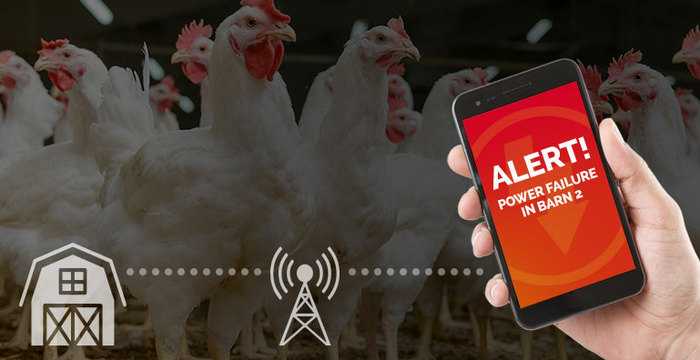
- Sensaphone Sentinel Monitoring System with Cellular Modem enables cloud-based monitoring without needing a network connection. It tracks up to 12 different environmental and equipment conditions, including temperature, humidity, power failure and water detection and sends
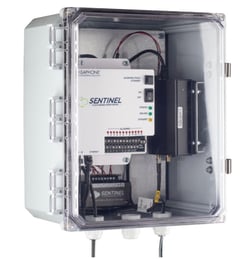 alerts via text, email or phone when thresholds are exceeded. It’s ideal for unattended HVAC, boiler rooms and remote facilities.
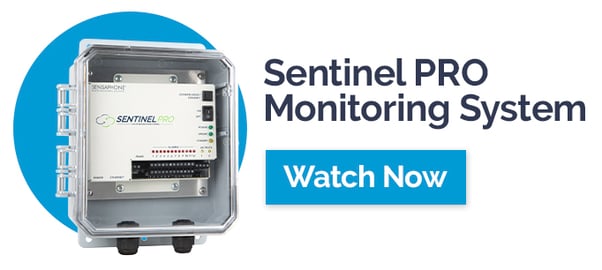
 - Sensaphone Sentinel Pro Cellular is a more advanced solution supporting broader sensor coverage (analog, digital, Modbus inputs), robust data logging, relay outputs and full remote control through a web interface or mobile application. It’s ideal for industrial or critical infrastructures sites needing 24/7 monitoring.
- Sensaphone Sentry Monitoring System is designed for locations without landlines or internet access. This system monitors up to five environmental or equipment conditions and sends alerts when thresholds are exceeded. It requires no software, making installation, integration and management fast and simple. It is perfect for small facilities, greenhouses, cold rooms and remote sites.
As organizations strengthen network security to reduce cyber risks, contractors, third parties and facility managers must adapt to expanded responsibilities and stricter access controls. Rather than granting direct access to internal networks, cellular remote monitoring provides a safer, simpler and more secure approach, helping facilities stay compliant, efficient and protected.
To learn more about how a cellular remote monitoring system can protect assets, contact a Sensaphone expert today.